
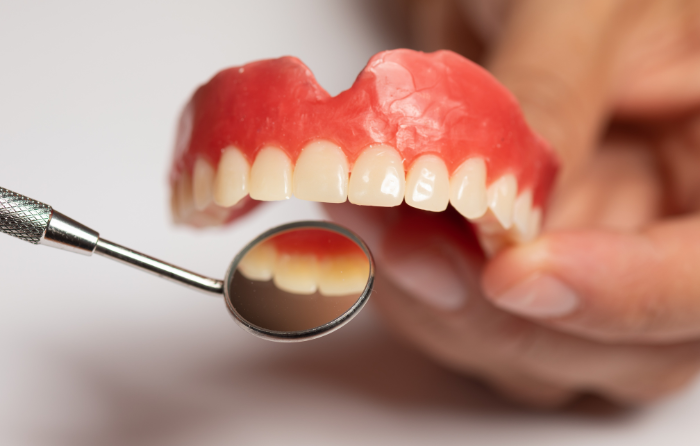
Dental veneers are a popular cosmetic dentistry option for people who want a brighter, more balanced smile. Veneers are thin shells that are bonded to the front surface of teeth to improve their color, shape, and overall appearance. They are often used to fix chipped teeth, discoloration, uneven spacing, and minor alignment issues.
Many people searching for Veneers Los Angeles want a smile improvement that looks natural and lasts for many years. While veneers are durable, their lifespan depends heavily on daily care and oral hygiene habits. With proper maintenance, veneers can stay strong and attractive for over a decade.
At Playa District Dental, patients receive personalized cosmetic dentistry solutions designed to create natural-looking and long-lasting smiles. This guide explains how veneers work, why proper care matters, and what steps help them last longer.
What Are Dental Veneers?
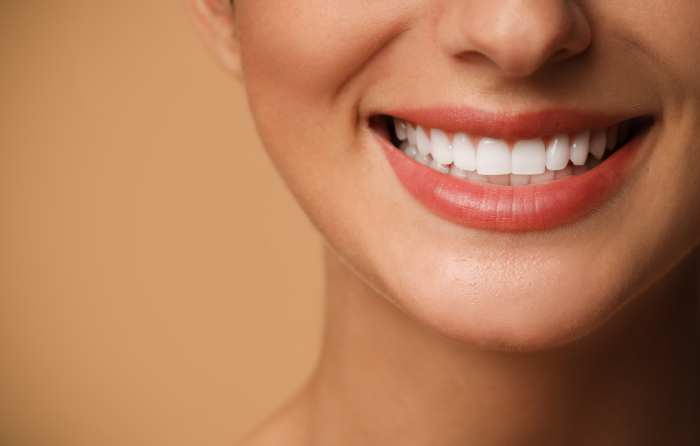
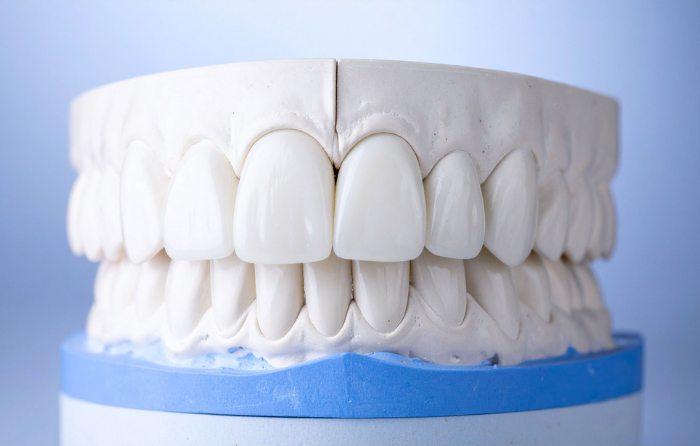
Dental veneers are thin layers made from porcelain or composite resin that are placed on the front of teeth. They improve the appearance of teeth while still allowing the smile to look natural.
Veneers are custom-made to match the color and shape of surrounding teeth. During a professional dental veneers treatment, a dentist prepares the tooth by removing a small amount of enamel so the veneer can bond securely and fit comfortably with the bite.
Porcelain Veneers
Porcelain veneers are known for their durability and natural appearance. The material reflects light in a way similar to natural enamel, which helps the teeth look realistic and bright.
Composite Veneers
Composite veneers are made from a tooth-colored resin material. They are often completed in a single appointment and require less enamel removal, but they may not last as long as porcelain veneers.
Patients exploring Veneers Los Angeles often choose porcelain veneers because they provide long-lasting cosmetic improvement when placed by an experienced cosmetic dentist.
If you want to explore more treatment options, you can also learn about other cosmetic and restorative dental services available for smile improvement.
Why Veneer Care Is Important
Veneers are designed to be strong, but they still require proper maintenance. Unlike natural teeth, veneers cannot repair themselves if they chip or crack.
Daily habits play an important role in how long veneers stay in good condition. Poor oral hygiene or damaging habits can shorten their lifespan and affect the appearance of your smile.
Proper care helps:
-
Maintain the smooth surface of the veneer
-
Protect the natural tooth beneath it
-
Prevent gum irritation
-
Reduce staining around the edges
-
Extend the lifespan of the restoration
When veneers are cared for correctly, they can remain stable and attractive for many years.
Daily Habits That Protect Veneers
Good oral hygiene is the most important factor in keeping veneers healthy. The natural teeth and gums around veneers must remain clean to prevent dental problems.
A simple daily routine makes a big difference:
-
Brush teeth at least twice a day with a soft-bristled toothbrush
-
Use non-abrasive toothpaste to prevent scratching the veneer surface
-
Floss daily to remove plaque and food particles between teeth
-
Rinse with alcohol-free mouthwash to control bacteria
-
Replace your toothbrush regularly
-
Avoid using teeth as tools to open packaging or bottles
These habits help maintain the strength and appearance of veneers while also protecting overall oral health.
Choosing the Right Toothpaste
Many whitening or heavy-duty toothpaste formulas contain abrasive particles that can slowly wear down veneer surfaces.
Scratches on veneers may allow stains to collect more easily and reduce their natural shine.
Best Toothpaste for Veneers
Look for toothpaste that is:
-
Low-abrasive
-
Designed for sensitive teeth or cosmetic dental work
-
Fluoride-based to protect natural enamel
During routine dental visits, your dentist can recommend safe products that clean effectively without damaging veneers.
You can also follow helpful smile care tips and read more dental care articles on the practice blog to maintain your oral health between visits.
Foods and Drinks That Affect Veneers
While veneers allow people to eat most foods normally, certain foods and beverages should be consumed carefully.
Hard Foods
Hard foods can place strong pressure on veneers. Biting them directly with front teeth increases the risk of chipping.
Examples include ice, hard candy, and unpopped popcorn kernels.
Cutting food into smaller pieces and chewing with back teeth reduces the risk of damage.
Sticky Foods
Sticky foods such as caramel or chewy candy may place stress on the bonding material that holds veneers in place.
Eating them occasionally is usually safe, but frequent consumption should be avoided.
Staining Drinks
Porcelain veneers resist stains better than natural teeth, but beverages like coffee, tea, and red wine can still stain the edges of veneers.
Rinsing your mouth with water after drinking these beverages helps reduce discoloration.
People searching for Veneers Los Angeles often want their smile to remain bright for years, and limiting staining drinks can help maintain the original shade of the veneers.
For patients interested in improving tooth color along with veneers, professional teeth whitening treatments may also be recommended.
Connect With Playa District Dental Online
Many patients like to stay informed about dental care tips, cosmetic dentistry updates, and smile maintenance advice. Staying connected with your dental practice online can help you learn simple habits that protect oral health.
You can follow Playa District Dental online to stay updated with educational posts, oral hygiene tips, and the latest information about cosmetic dentistry treatments.
Social media platforms such as Facebook, Instagram, and Twitter (X) often share practical information about maintaining veneers and understanding different smile enhancement options.
The Importance of Regular Dental Visits
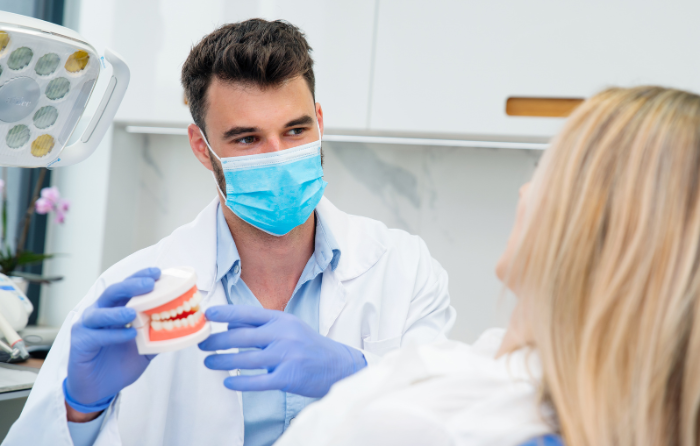
Professional dental care plays a major role in keeping veneers in good condition. Regular checkups allow your dentist to identify small issues before they become larger problems.
During your visit, you can also learn more about Dr. E and the dental team who provide personalized care and advanced cosmetic dentistry treatments.
What Happens During Veneer Checkups
During a dental visit, the dentist may:
-
Examine veneers for cracks or chips
-
Check the bonding material
-
Evaluate gum health around veneers
-
Remove plaque and tartar buildup
Professional cleanings help preserve the smooth surface of veneers without damaging them.
Patients who receive Veneers Los Angeles are typically advised to schedule dental visits every six months for routine maintenance.
Teeth Grinding and Veneer Protection
Teeth grinding, also known as bruxism, occurs when a person clenches or grinds their teeth unconsciously. This commonly happens during sleep.
Grinding places excessive pressure on veneers and natural teeth.
How a Night Guard Helps
A night guard is a custom dental appliance worn during sleep. It creates a protective barrier between upper and lower teeth.
Benefits include:
-
Preventing veneer cracks or fractures
-
Reducing jaw tension
-
Protecting natural teeth from wear
For patients with grinding habits or jaw discomfort, treatments such as TMJ and TMD therapy may also help reduce stress on the teeth.
Avoiding Common Veneer Damage
Certain habits may seem harmless but can damage veneers over time.
Habits That Can Harm Veneers
-
Biting fingernails
-
Chewing on pens or pencils
-
Opening packages with teeth
-
Cracking nuts with front teeth
-
Grinding or clenching teeth frequently
Stopping these habits protects both veneers and natural teeth.
Many patients investing in Veneers Los Angeles want their smile to remain flawless for many years, so avoiding these behaviors is essential.
What to Do if a Veneer Feels Different
A veneer should feel smooth and natural when biting and chewing.
If something feels unusual, it is important to schedule a dental visit.
Possible warning signs include:
-
A veneer that feels loose
-
Sensitivity around the treated tooth
-
Rough or sharp edges
-
Visible gaps between the veneer and tooth
Early evaluation helps prevent further damage and ensures the restoration remains stable.
How Long Veneers Typically Last
The lifespan of veneers depends on the material used and the patient’s oral habits.
Average longevity includes:
-
Porcelain veneers: 10–15 years or longer
-
Composite veneers: around 5–7 years
Proper hygiene, careful eating habits, and routine dental visits help veneers last as long as possible.
Some patients considering smile restoration may also explore options like clear aligner treatment with Invisalign or long-term tooth replacement solutions such as dental implant treatment.
Signs Veneers May Need Replacement
Over time, veneers may eventually require repair or replacement.
Common signs include:
-
Cracks or chips in the veneer
-
Discoloration around the edges
-
Gum recession exposing veneer margins
-
A veneer that feels loose
A dentist can determine whether the veneer should be repaired or replaced.
You can also view before and after smile transformations to understand how cosmetic dental treatments can improve the appearance of teeth.
Gum Health and Veneer Longevity
Healthy gums play an important role in supporting veneers.
Gum disease can cause recession, which exposes the edges of veneers and affects their appearance.
Tips for Healthy Gums
-
Brush gently along the gumline
-
Floss carefully around veneers
-
Schedule regular dental cleanings
-
Avoid tobacco products
Maintaining healthy gums helps veneers remain stable and natural-looking.
Why Professional Placement Matters
The quality of veneer placement affects both appearance and durability.
A skilled cosmetic dentist ensures that veneers:
-
Fit properly with the bite
-
Bond securely to the tooth
-
Blend naturally with surrounding teeth
-
Remain comfortable for daily use
Patients searching for Veneers Los Angeles should choose an experienced dental practice to achieve long-lasting and natural-looking results.
How to Save Money on Dental Care Without Sacrificing Quality
Frequently Asked Questions About Veneer Care
Do veneers need special maintenance?
They do not require special tools, but gentle care is essential. Brushing, flossing, and regular dental visits help maintain their condition.
Can veneers stain over time?
Porcelain veneers resist stains well, but the edges where they meet the natural tooth can discolor if exposed to staining foods and drinks.
Are veneers permanent?
Yes. Because a small amount of enamel is removed before placement, veneers are considered a permanent cosmetic treatment.
Can veneers break?
They are strong but can chip if exposed to excessive pressure, such as biting hard objects or grinding teeth.
Can I whiten veneers?
Traditional whitening treatments do not change the color of veneers. If discoloration occurs, a dentist may recommend professional cleaning or replacement.
Final Thoughts
Dental veneers can dramatically improve the appearance of a smile by correcting discoloration, chips, gaps, and uneven teeth. Their durability makes them a long-term cosmetic solution when paired with good oral hygiene and regular dental visits.
People researching Veneers Los Angeles often want results that remain attractive for many years. By brushing carefully, avoiding damaging habits, and visiting the dentist regularly, veneers can stay bright and strong for a long time.
Schedule a Consultation
If you are considering veneers or want professional advice on maintaining them, the team at Playa District Dental can help you understand the best options for your smile.
You can schedule a consultation with the dental team to discuss cosmetic dentistry treatments, ask questions about veneers, and receive personalized recommendations for improving your smile.